

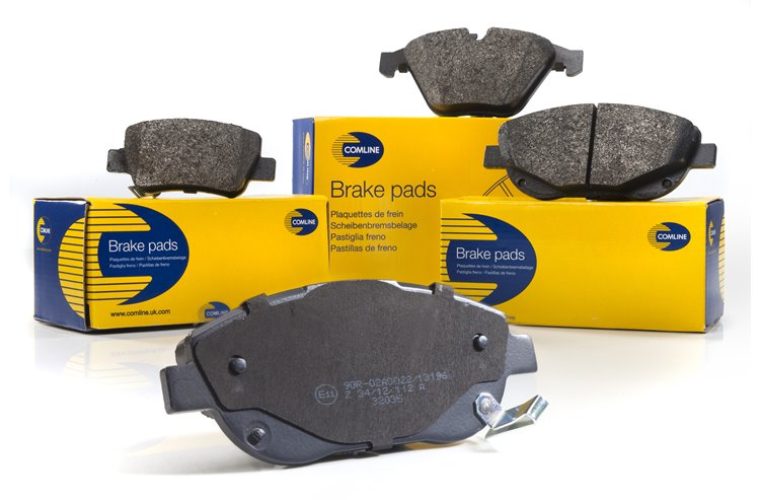
Comline has issued a technical advisory to independent workshops regarding the application of copper-based grease during brake pad installation. While copper-free friction formulations are becoming industry standard, the use of conductive grease remains a common practice that can compromise modern vehicle systems.
Comline identifies three primary safety and performance pitfalls associated with copper-based lubricants:
- Electronic Interference: As a conductive material, copper grease can disrupt signal transmission if it migrates to ABS or ESP wheel speed sensors.
- Abrasive Accumulation: The grease attracts brake dust and road debris, forming a paste that restricts pad movement within the caliper, leading to uneven wear or binding.
- Component Deterioration: Petroleum-based lubricants can cause rubber seals and boots to swell or crack, increasing the risk of fluid leaks.
Dr Keith Ellis, Comline’s braking expert, stated:
“This is an important reminder about the threats associated with using copper grease with brake pads. By adhering to this advisory, workshops can ensure a professional repair and ensure motorists don’t return prematurely with issues – maintaining their relationship with the customer.”
R90+ Performance Standards
Comline’s brake pads carry the ‘N’-rated leaf mark for environmental responsibility and undergo voluntary “R90+” testing. This includes hot shear testing at 300°C and dynamometer wear analysis.
With 800 references covering European, Japanese, and Korean applications, the range is designed for compatibility with modern electronic braking architectures. For further technical specifications, visit www.comline.uk.com/braking.