

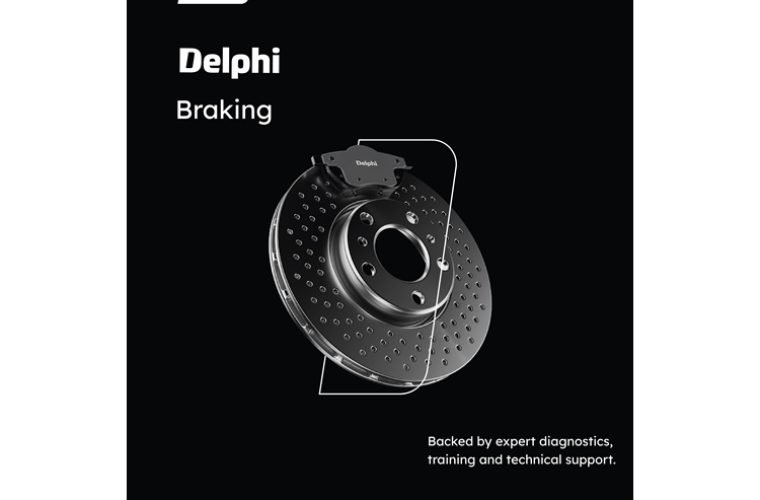
As the UK transitions into spring, workshops are managing vehicle damage caused by winter road conditions. Pothole impacts and freeze-thaw cycles place stress on braking systems, while winter corrosion can lead to increased noise, vibration, and uneven performance.
The current period coincides with a significant spike in MOT activity. Data from GiPA indicates that over 3.3 million MOTs were expected to expire in March 2026, an 8.1% increase over the previous year. Safety-critical systems, particularly braking components, are among the most frequently inspected items during these tests.
Delphi notes that stopping distances are influenced by factors beyond tyre condition, including pad material quality, friction stability, and heat management. While lower-quality components may meet minimum regulatory standards, they can struggle to maintain consistency across varying temperatures and road surfaces.
Workshops are encouraged to use spring vehicle checks to discuss the impact of road damage with customers. Choosing premium components ensures stable friction behaviour and reduces the risk of premature wear. Delphi suggests that explaining these factors helps build long-term customer relationships and reduces service comebacks.
Providing high-quality braking solutions is essential for safe vehicle operation on unpredictable road surfaces. For further technical information and product details, please click here.